HISTORY
The Gateway to Nicosia’s History
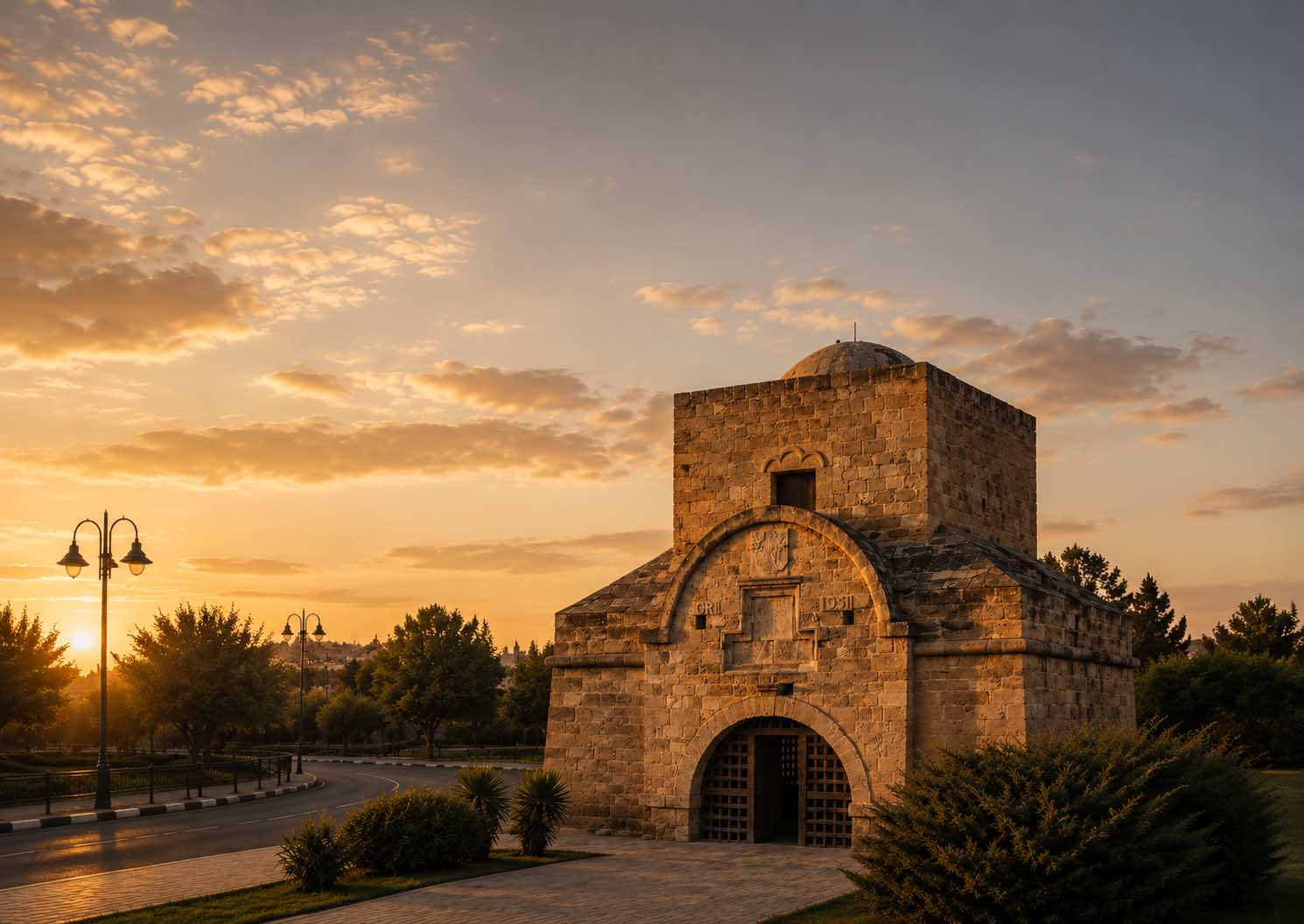
Girne Gate is one of the three main entrance gates of the Venetian walls that surround Nicosia, whose origins date back to the Middle Ages. It takes its name from its location on the road leading to the city of Kyrenia. Having hosted numerous civilizations over the centuries, this gate stands as one of Nicosia’s most important historical landmarks.
Rebuilt by the Venetians for defensive purposes against Ottoman attacks, the construction of Girne Gate began in 1562. This date has survived to the present day, inscribed on the gate in Latin numerals as “MDLXII.”
Following the Ottoman conquest of Cyprus in 1571, the gate continued to hold strategic and symbolic importance during the Ottoman period. In 1821, a renovation added a watchtower above the gate, and the existing Latin inscription was complemented by the tughra of Sultan Mahmud II, the reigning Ottoman sultan of the time.
On the outer façade of the gate, visitors encounter a meaningful message from the Ottoman era. Inscribed is Verse 13 of Surah As-Saff from the Holy Qur’an, along with a supplication popularly known as the “Prayer for Sustenance,”which reads:
“O Allah, Opener of all gates, open for us the gates of goodness.”
THE MINIATURE
Heritage, made tangible.
One of the most remarkable stories associated with Girne Gate belongs to Horoz Ali, the last Ottoman gatekeeper. During the Ottoman period, Horoz Ali would open the gate at sunrise and close it at sunset each day. In 1878, when Cyprus came under British administration, British officials attempted to enter the city through Girne Gate. Unaware of the change in authority, Horoz Ali initially refused them entry. However, after Ottoman officials explained the situation, he allowed the British to pass. Deeply impressed by his dedication to duty and sense of responsibility, the British authorities permitted Horoz Ali to continue in his post. Horoz Ali passed away here in 1946 at the age of 121.
In 1931, during the British period, renovations were carried out in which sections of the city walls on both sides of the gate were demolished to allow vehicular access. During this renovation, the inscription “GVRI”—representing King and Emperor George V—was added to the gate.
Bearing traces of the Venetian, Ottoman, and British periods, Girne Gate today stands as a unique monument reflecting the multilayered history of Nicosia. Currently serving as the Nicosia Tourism Information Office, this historic structure offers an ideal starting point for visitors wishing to explore the city.
Girne Gate is a living gateway opening onto Nicosia’s journey from the past to the present.
Kyrenia Gate is not only a physical entrance to the city, but also a symbolic threshold — carrying the traces of centuries and the stories of those who passed through.
GALLERY
DETAILS
Location
Nicosia, Cyprus
Historical Period
Venetian (rebuilding began in 1562)
Dimensions
L 15 cm x W 12 cm x H 14 cm
Material
High-quality resin with stone finish
Colour
Natural stone
Availability
In stock
Inspired by original architecture
Detailed and accurate form
A piece of Cyprus at home
Bellapais Abbey
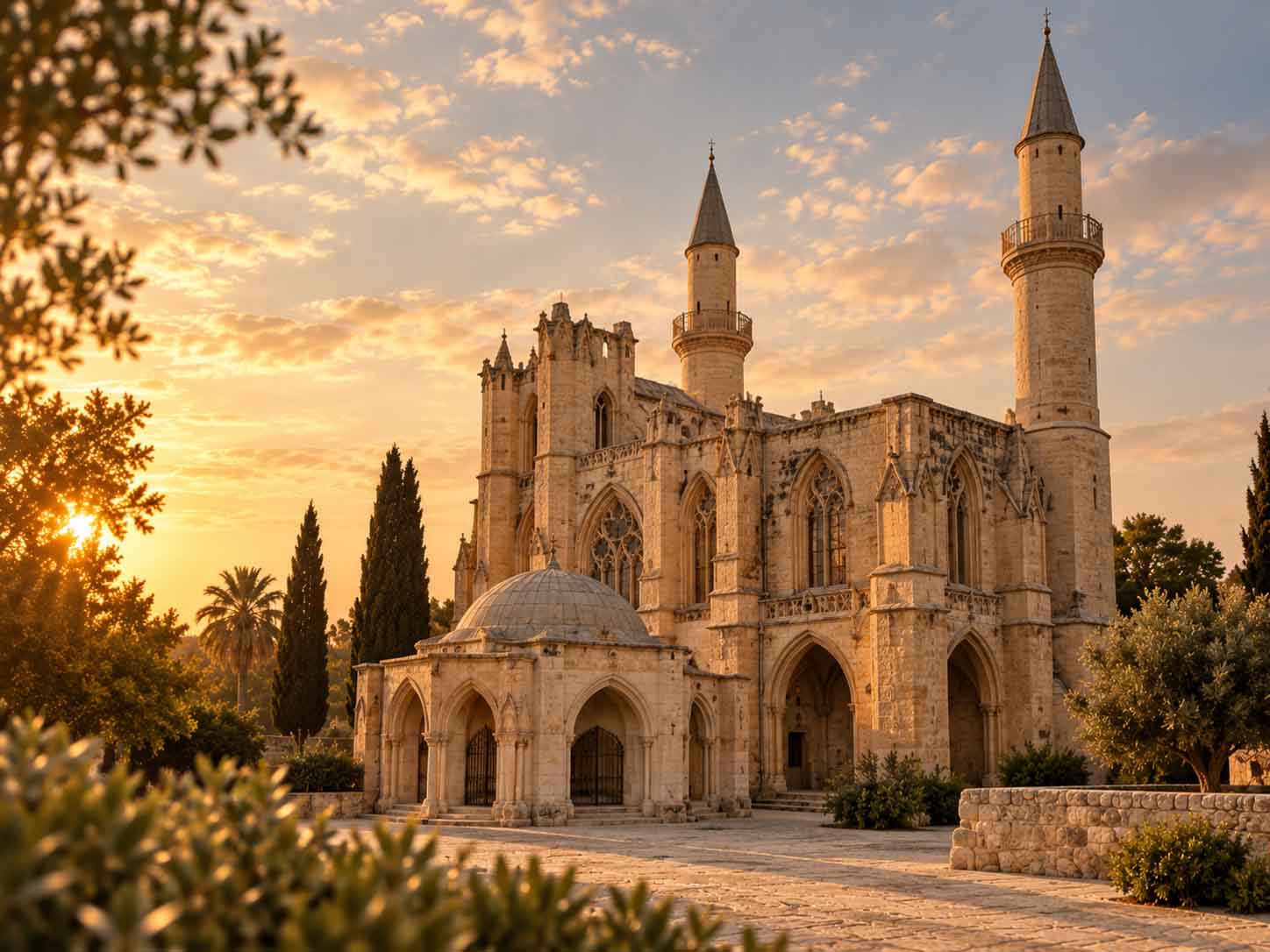
Omeriye Mosque

St. Hilarion Castle

KEEPING HISTORY ALIVE
A place for architecture, memory and craft.
© 2026 Living Traces Studio